Home › Ceylon vs. Cassia
Ceylon vs. Cassia Cinnamon: Why the Species Matters (and Why Cinna Shield Uses Ceylon)
The short answer
“Cinnamon” is two different plants. Most of what’s sold in American grocery stores is Cassia — a thick, cheap bark that is naturally high in coumarin. Ceylon (Cinnamomum verum, “true cinnamon”) grows in Sri Lanka, is harvested by hand in paper-thin layers and is naturally very low in coumarin. Cinna Shield uses DNA-verified Ceylon, concentrated into one daily capsule.
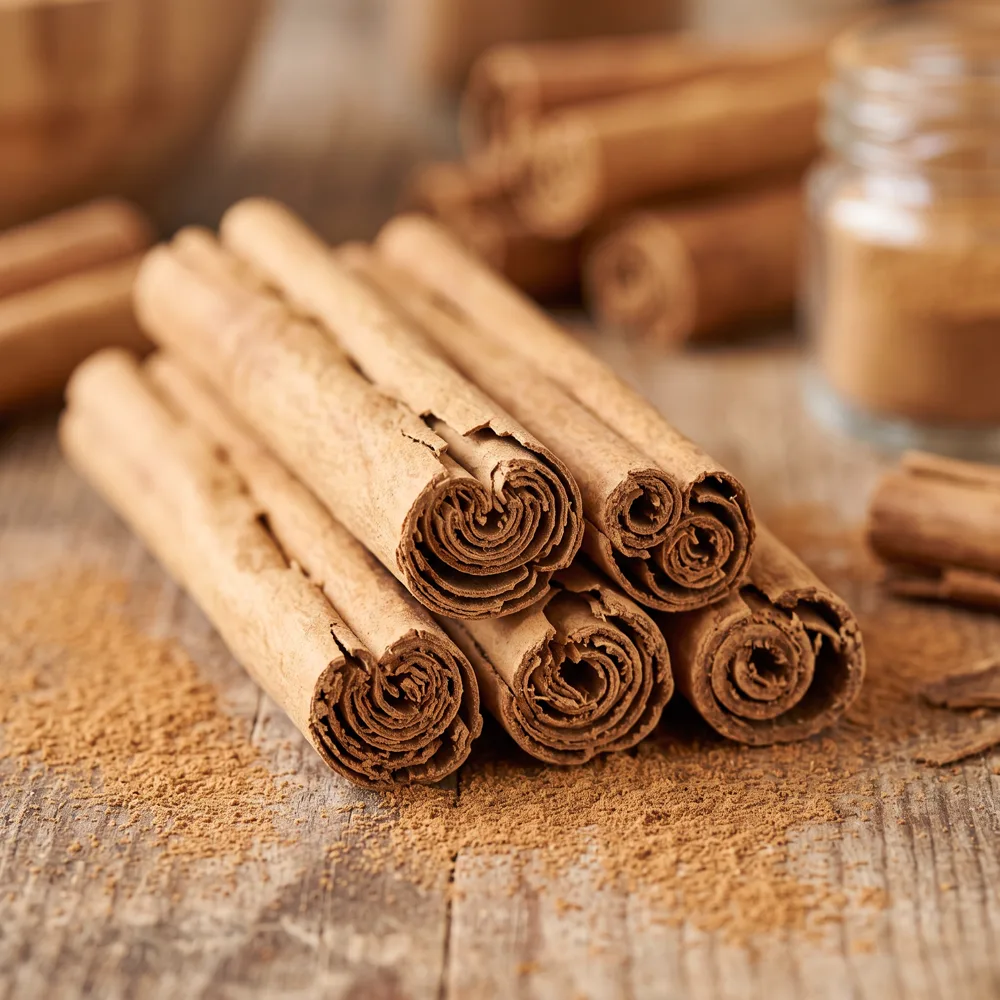
Ceylon vs. Cassia, side by side
| Ceylon | Cassia | |
|---|---|---|
| Species | Cinnamomum verum (“true cinnamon”) | Cinnamomum cassia and related species |
| Where it grows | Mainly Sri Lanka | Mainly China, Indonesia and Vietnam |
| The stick | Many thin, papery layers, easy to crumble | One thick, hard curl of bark |
| Color and taste | Light tan, mild and sweet | Dark reddish-brown, strong and spicy |
| Coumarin | Very low | High |
| Price | Higher | Cheap |
| On the label | Both can simply say “cinnamon” | |
Why coumarin matters
Coumarin is a natural compound found in high amounts in Cassia. In large daily amounts it can be a concern for the liver in sensitive people, which is why European food safety authorities set a tolerable daily intake for it. A spoonful of Cassia every day can go past that limit. Ceylon contains only trace amounts — one of the main reasons it’s the species chosen for a daily supplement.
Why most people have only ever had Cassia
Cassia is cheaper to grow, ship and grind, so it fills most supermarket shelves. And because labels don’t have to name the species, most people who “already tried cinnamon” for their blood sugar never actually tried Ceylon.
Why DNA verification
Once bark is ground into powder or extract, you can’t tell the species by looking at it. DNA testing confirms the plant really is Cinnamomum verum. That’s what “DNA-verified Ceylon” on Cinna Shield means.
Why an extract instead of powder
Even real Ceylon powder in your coffee is a tiny amount. Cinna Shield is a 12:1 concentrated extract — the maker states each capsule provides the equivalent of 7,200 mg of raw Ceylon bark — delivered in MCT oil, because cinnamon’s active compounds are fat-soluble. That’s more than anyone would eat as powder, every day. See the full breakdown on the ingredients page.
How to tell them apart at home
- Look at the stick: Ceylon looks like a cigar of thin rolled layers; Cassia is a single thick, hollow curl.
- Break it: Ceylon crumbles easily; Cassia is hard.
- Taste it: Ceylon is mild and sweet; Cassia is hot and sharp.
- Read the label: look for “Ceylon” or Cinnamomum verum — plain “cinnamon” is almost always Cassia.
The Cinna Shield difference
- DNA-verified Ceylon, not Cassia
- 12:1 concentrated extract in MCT oil
- One capsule a day
- 90-day money-back guarantee, even on empty bottles
Frequently asked questions
Is Ceylon cinnamon better than Cassia?
They are different plants. Ceylon (Cinnamomum verum) is the true cinnamon from Sri Lanka and is naturally very low in coumarin. Cassia is the cheaper, more common species and contains much more coumarin.
Is Cinna Shield Ceylon or Cassia?
Cinna Shield uses DNA-verified Ceylon cinnamon extract.
Why does DNA verification matter?
Labels are allowed to say just "cinnamon" without naming the species. DNA testing confirms the extract really is Ceylon.
Can I just buy Ceylon powder?
You can. The maker designed Cinna Shield as a concentrated 12:1 extract in MCT oil, an amount you couldn't comfortably eat as powder every day.
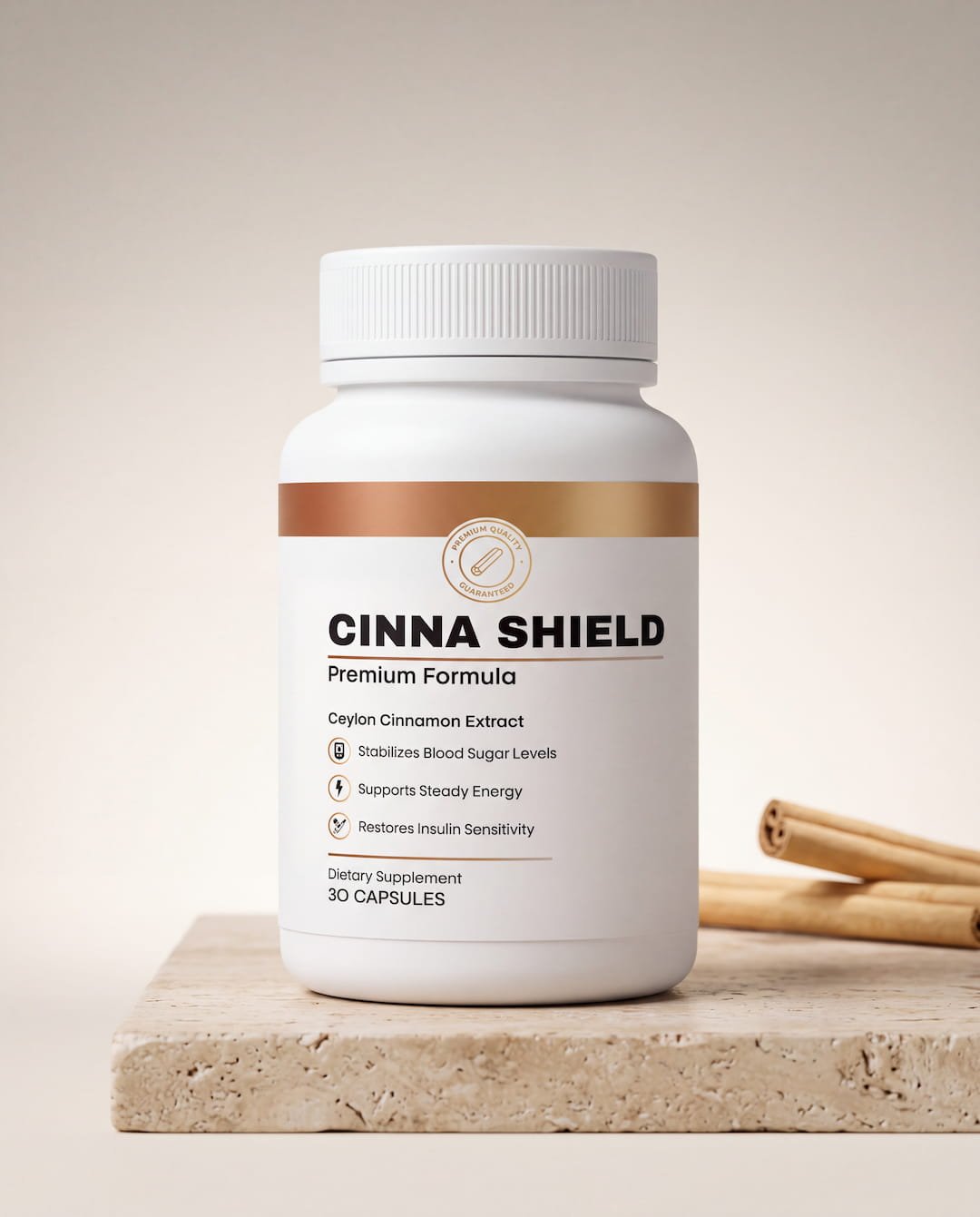
Try Cinna Shield risk-free
DNA-verified Ceylon cinnamon in one daily capsule. Free shipping from the USA and a 90-day money-back guarantee — even on empty bottles.
Check today’s offer →